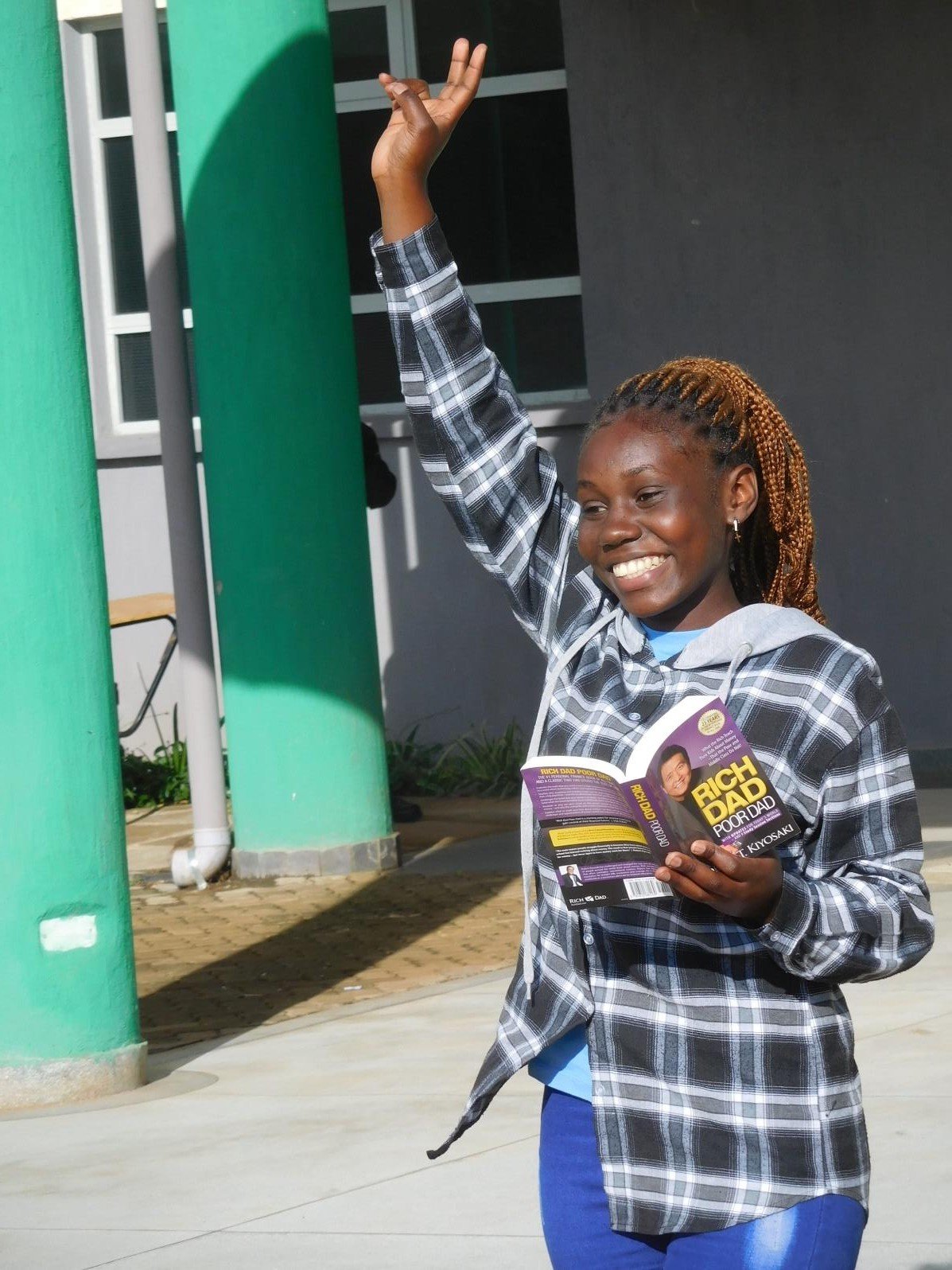
Welcome to MEA!
Empowering vulnerable individuals and communities through education, skills-training, and income-generation.
MEA (MAY-ah) is a Kiswahili word that means to sprout or to grow. MEA grows individuals, families, and communities.
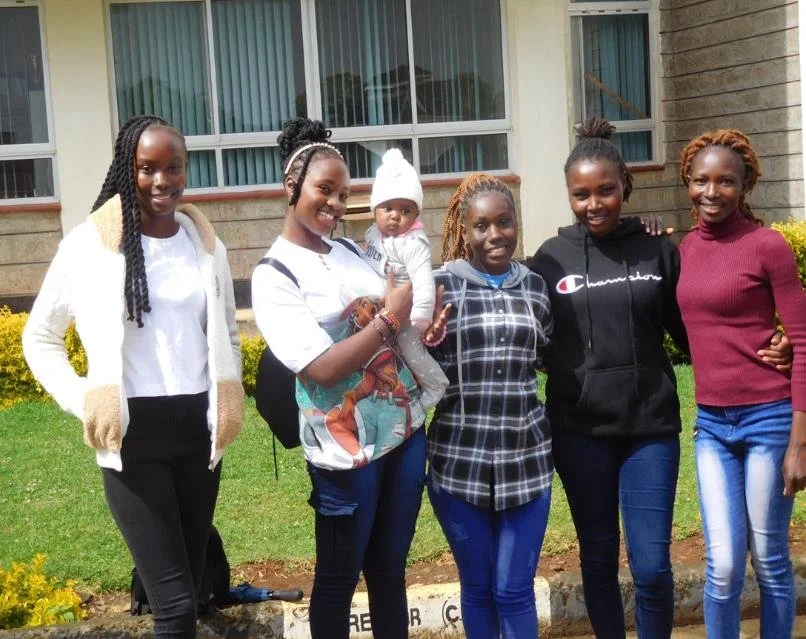
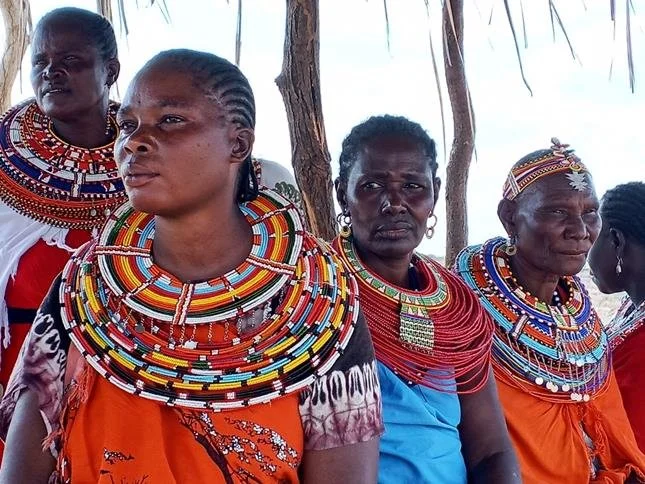
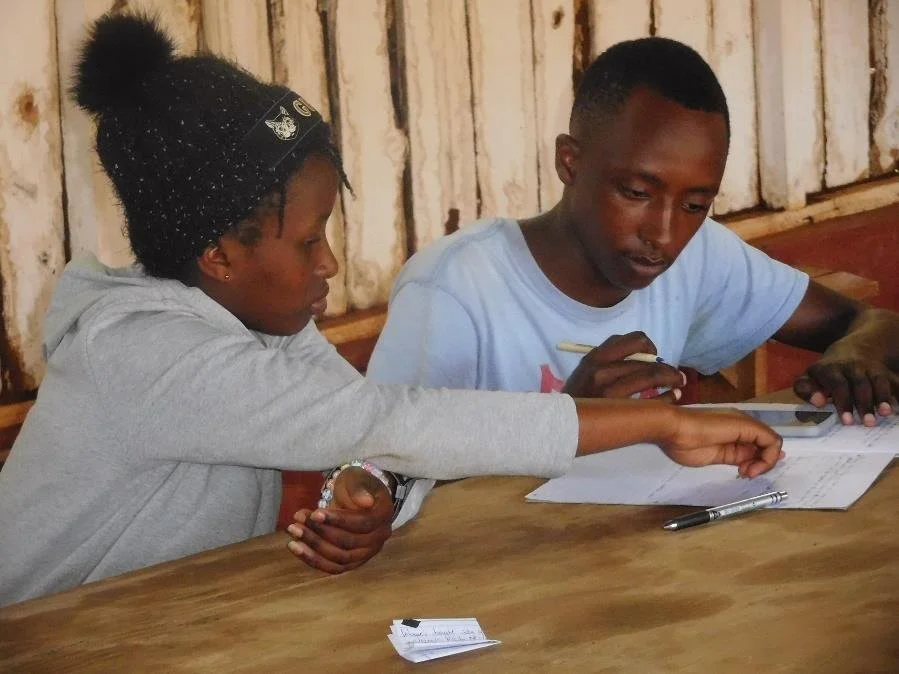



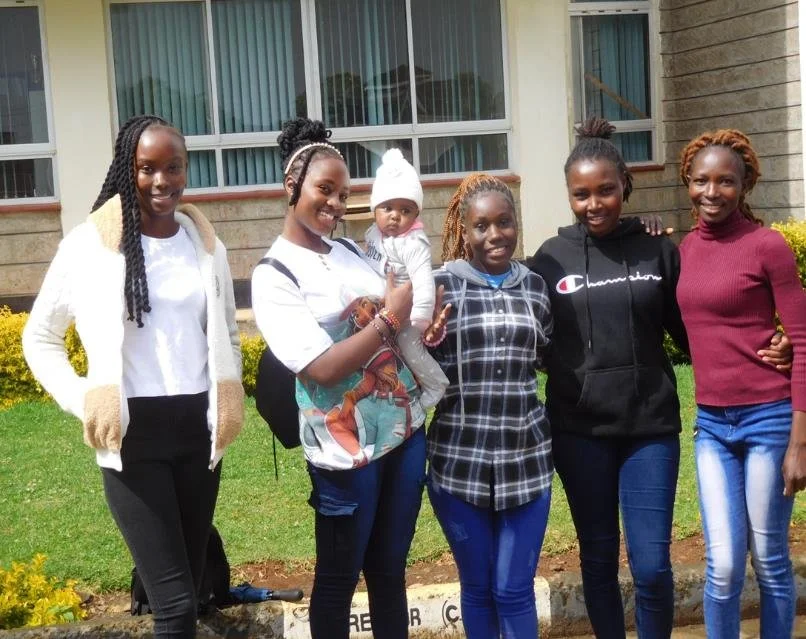
Girls’ Education Support
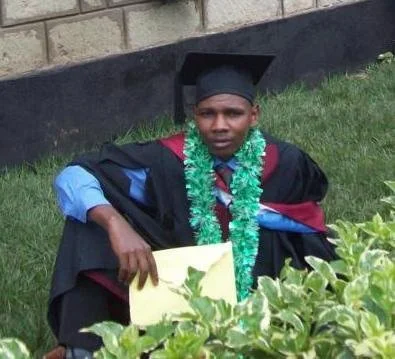
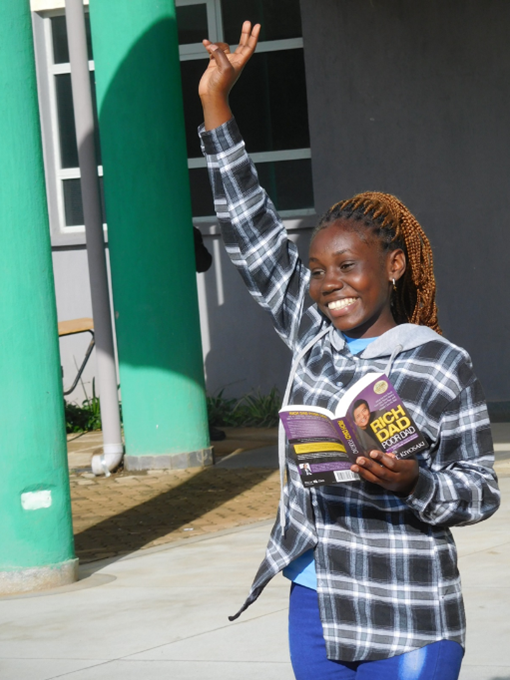
We provide scholarships and mentorship that support vulnerable girls’ access to and success in college and beyond. Alumni become talented professionals and mothers who raise spiritually grounded families, and community leaders.

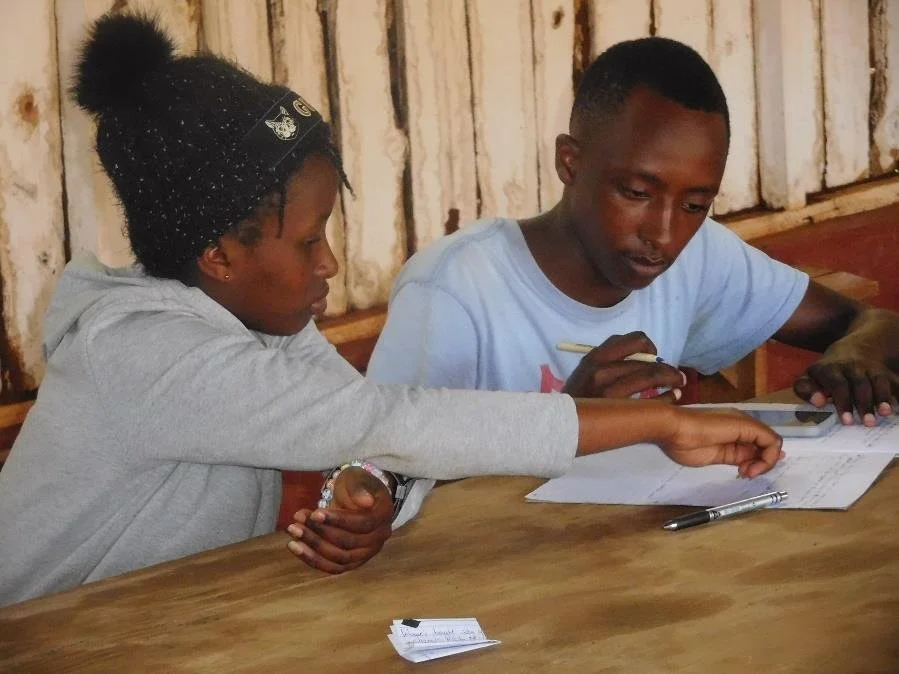
Skills Development
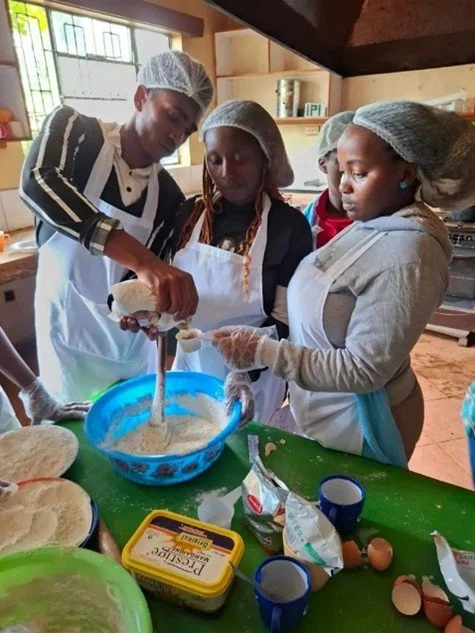
MEA empowers youth with practical skills for employment and entrepreneurship.

Income-Generation
Promoting entrepreneurial mindset and skillsets that inspire individuals and communities to become agents of their own transformation.

Impact & Accountability
Coordination between MEA leadership in the U.S. and In-Country staff in Kenya ensures that program outcomes are achieved as intended and that every U.S. dollar is accounted for.

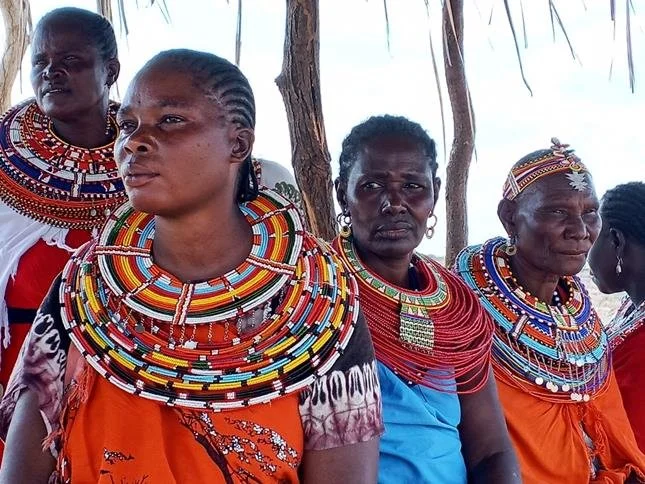
Building Communities by Building Relationships
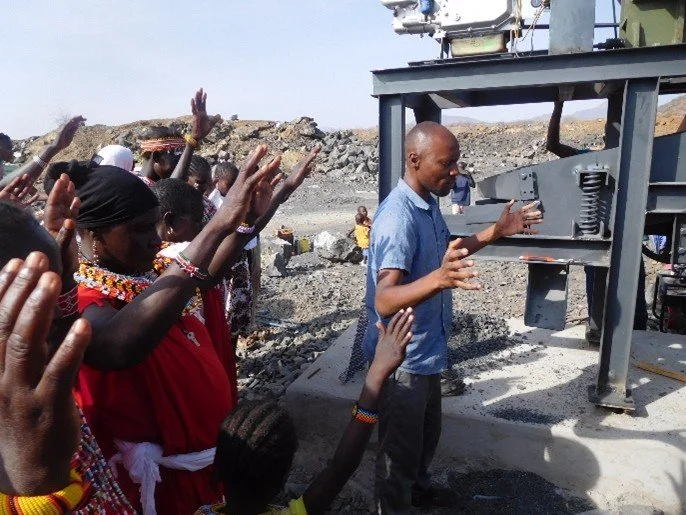
We’ve been community-engaged in Kenya since 2005. Our programs and projects meet the needs of partners we’ve worked with for years and years. Energize your compassion through donations, reading our stories, volunteering in the U.S., and/or getting on the ground in Kenya.
Why MEA?
On-the-Ground And Accountable
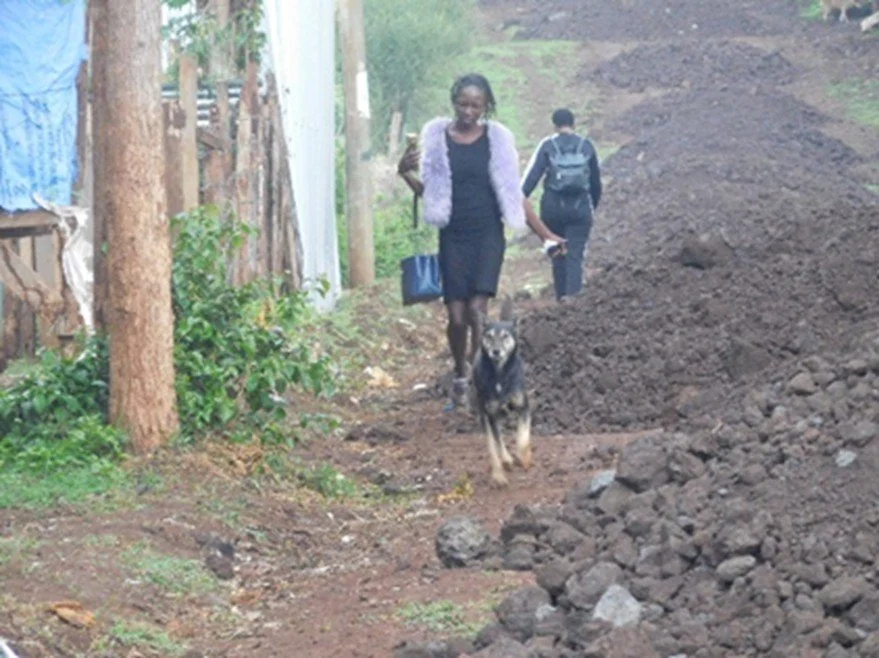
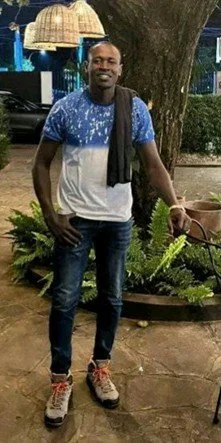
MEA doesn’t simply send money. We have a native In-Country Director and Accountant. The In-Country Director provides social, emotional, and logistics support to our beneficiaries to ensure that our projects achieve their intended outcomes. We also provide support for helping vulnerable women and communities navigate education, land disputes, and other challenges. Our Accountant ensures that funds are spent as intended and every shilling is accounted for. Donating to MEA is an investment in impact.
Building Skills, Creating Opportunities
MEA support includes programming in employability assets, entrepreneurial mindset, and financial literacy—uncommon in Kenya—that make the difference between getting a degree and getting a job. We also require that all beneficiaries take a 3-month course in some vocation, such as nail technology, beauty, therapy, or catering. These skills can bring in income during and after college. But more important,
they provide a means for our students to expand their social and professional network—two critical assets that our beneficiaries lack.