
Project & Impact

Making a Difference
MEA College Scholars Program
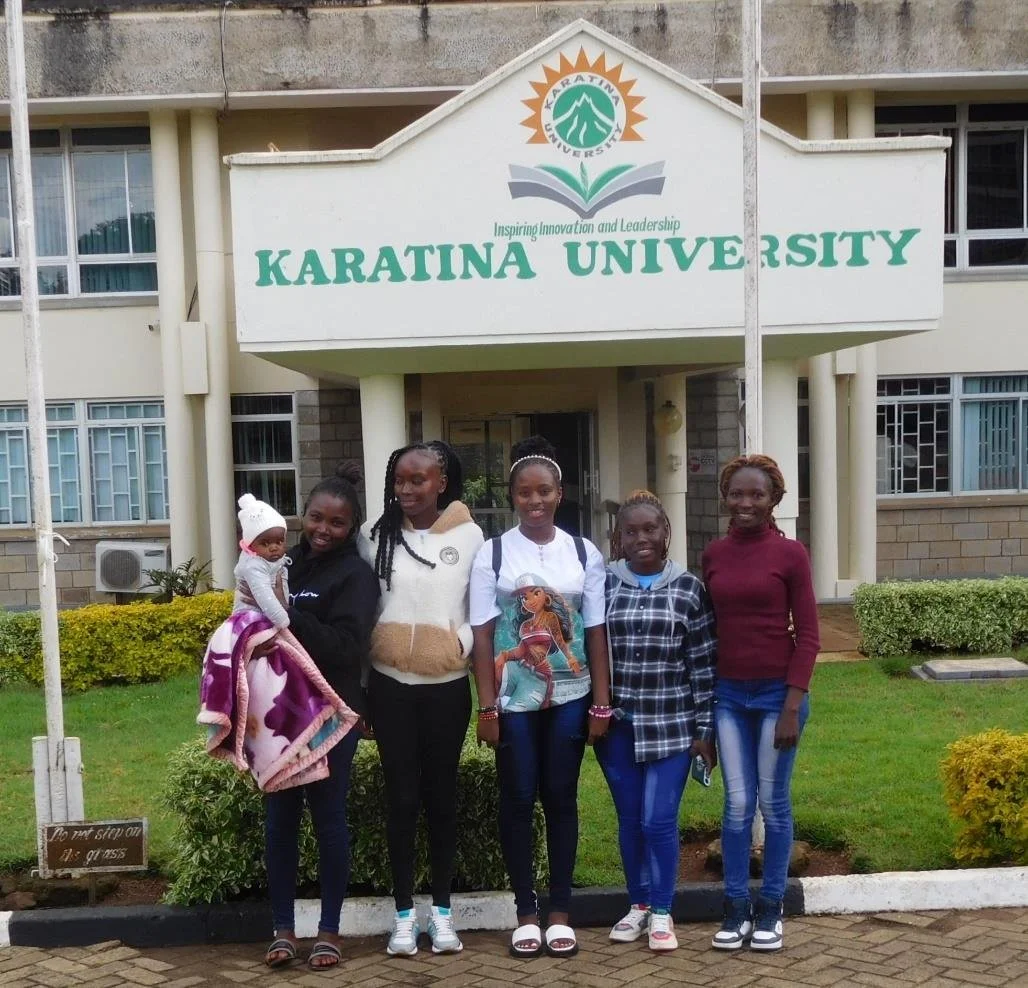
Wisdom in the philanthropy world (proven with research) is: Support a man, help one; support a woman, lift the community. MCSP supports vulnerable young women in achieving a college education. We have witnessed this being enough to break the cycle of poverty in a family and raise the economic tide of a community.
Community Engagement
Over 20 years of community engagement in Kenya, Gary has formed long-standing relationships within the communities he serves. Among the Meru, Gary is known as Mutethia, meaning helper. Among the Samburu, he is called Menye Ltungai, father of the village

MEA College Scholars Program (MCSP)
MCSP supports vulnerable young women to access a college education. But in Kenya, it takes more than a higher education credential to get a job. Between 40%-50% of Kenyan graduates with 2- or 4-year degrees remain unemployed. MEA workshops teach students to cultivate their employability assets, entrepreneurial mindset, and financial literacy—qualities that make the difference between getting a degree and getting a job.
We also require that all beneficiaries take a 3-month course in some vocation, such as nail technology, beauty therapy, or catering. These skills can bring in income during and after college. But more important, they provide a means for our students to expand their social and professional network—two critical assets that our beneficiaries lack compared to 90% of other college-going students. MEA’s In-Country staff also provide counseling and guidance, as well as support navigating issues such as landlord problems or bureaucratic glitches with scholarship funds.

Community Engagement
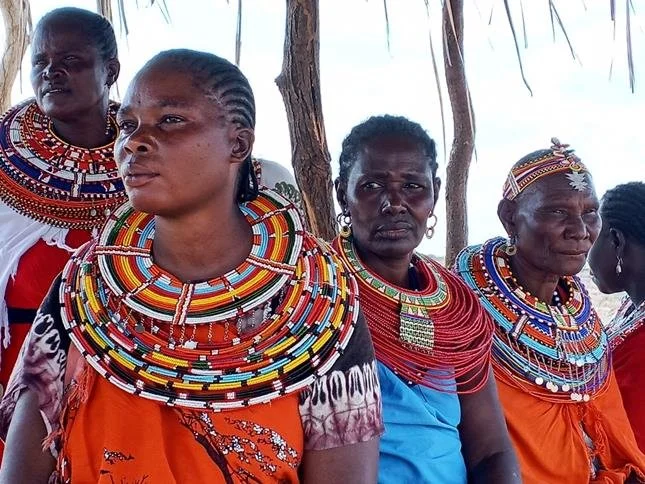
Over 20 years of community engagement in Kenya, I have formed long-standing relationships within the communities I serve. As a result, MEA’s Kenya staff and I learn of our community’s emergent needs, which often can be addressed through community meetings, strategic planning, and modest sums of money. Three such cases are discussed below.
Ltungai is a Samburu village started in 2002 by Beatrice Loldepe, for women and children cast out of their traditional villages for having AIDS or being HIV+. I have provided support for the village since my first visit in 2005.
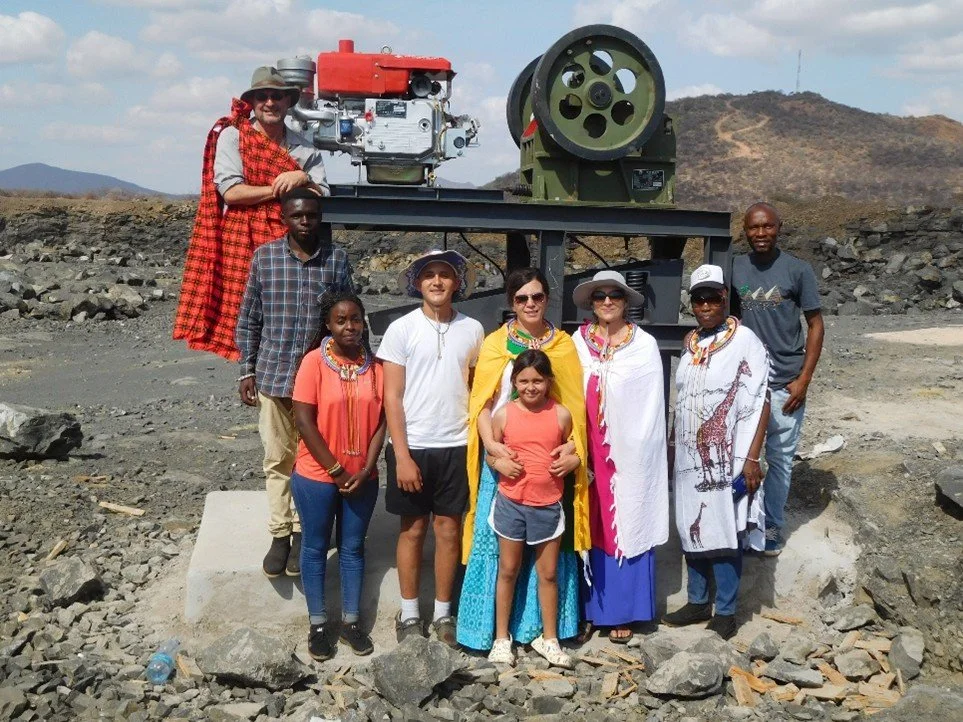
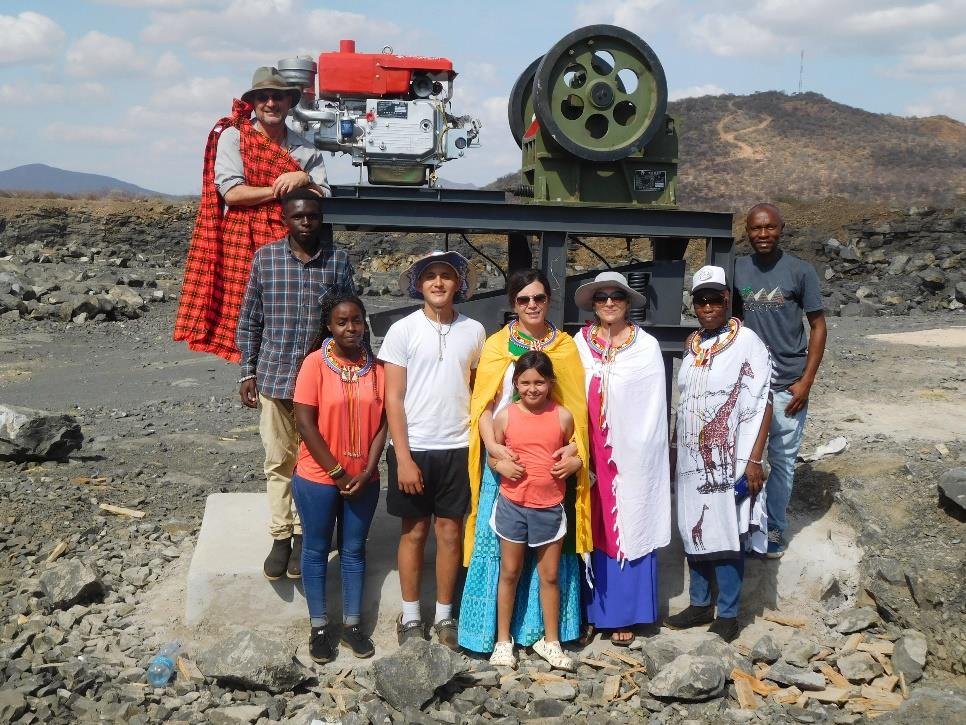
During COVID, I worked with village leaders to design a rock-crushing business, installing a donor-funded rock-crushing machine in a nearby quarry. Crushed stone would be used for roadbed and other construction projects. Income from the business would support families, including students’ school fees. In 2023, the Ltungai Women’s Ballast Company (LWBC) was launched.
Recently, corrupt politicians have taken advantage of the community’s limited literacy by attempting to take ownership of the rock quarry and hundreds of acres of community land surrounding it, including several springs and an elephant migratory path. MEA sees this as a critical environmental and social justice threat. With limited funds available, we are working with villagers and activists to thwart the threat.
A misguided government initiative in Kenya seeks to return vulnerable children living in rescue homes and children’s facilities “back to their communities.” In many cases, these are the same communities that abused, neglected, or abandoned them in the first place. There is no safety net for these children. MEA is partnering with IPI and community members to fund vulnerable children to attend boarding school and provide safe and healthy places for them to stay during holidays.
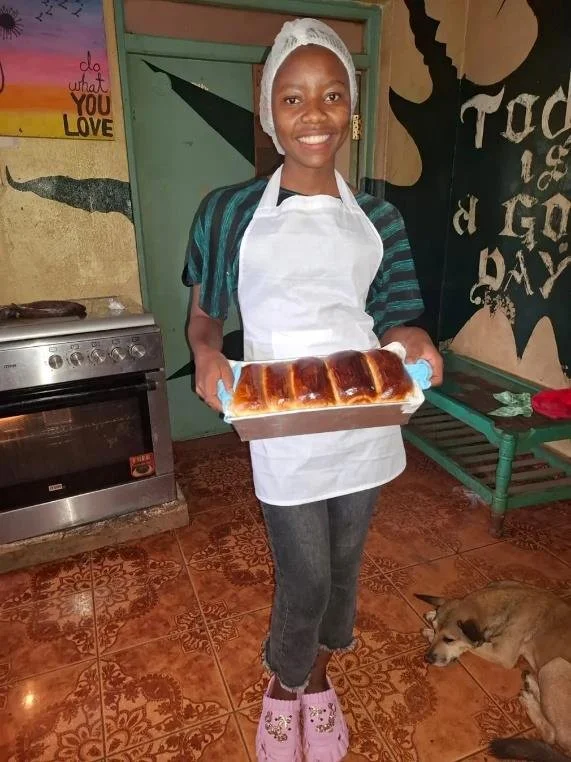
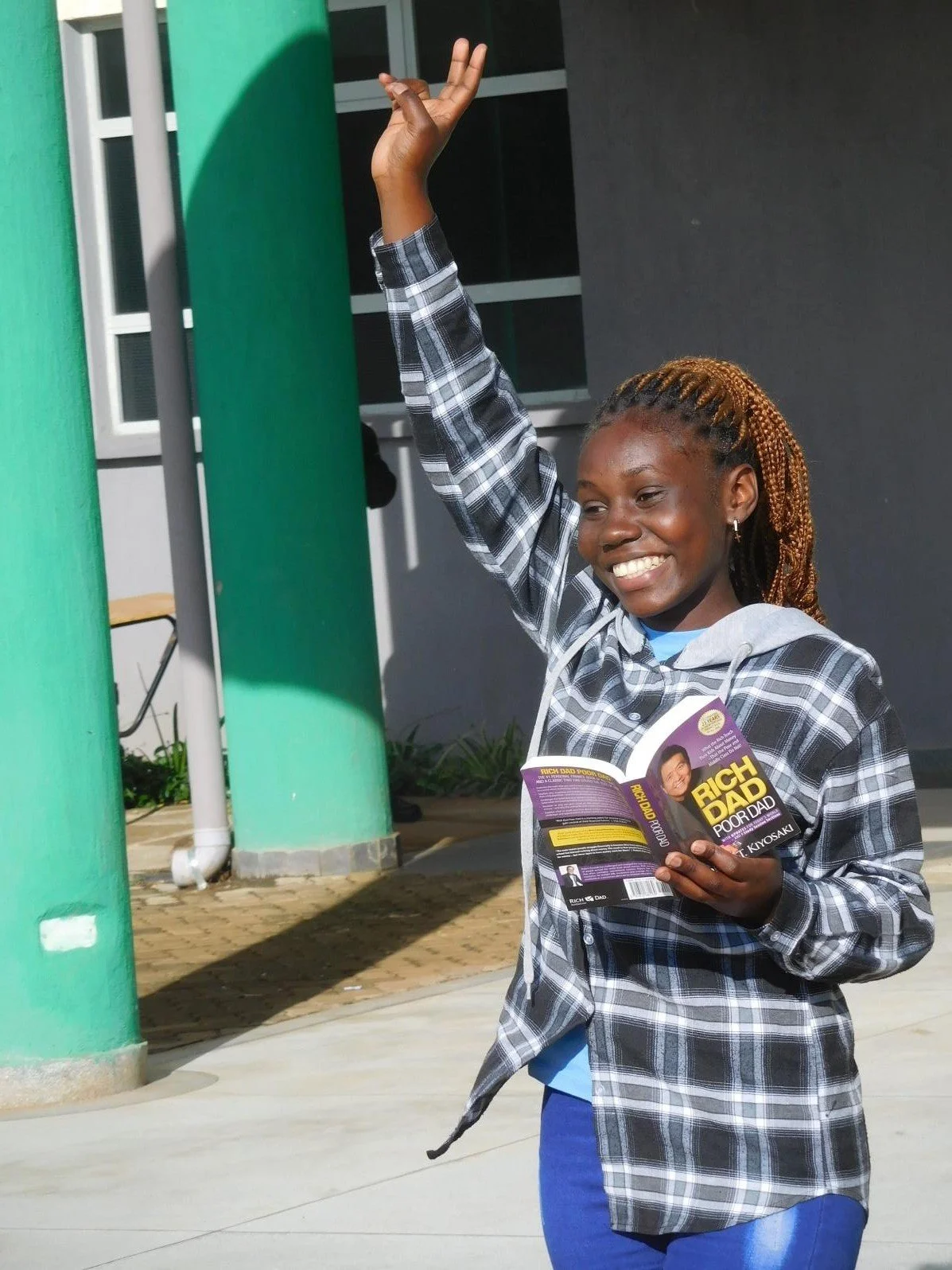
Miriam, a high school sophomore in a STEM track, scores in the top 10% of her class. She is also one of the victims of the Kenya government’s policy to “return vulnerable children back to the community.” With her parents and grandparents dead and a sister who sells plastic trinkets on the street, she had nowhere to go after being sent away by the children’s home that rescued her nine years earlier. She is pictured here taking a MEA sponsored baking workshop. A donor now pays her boarding school fees and MEA provides a safe place for her to stay during holidays.
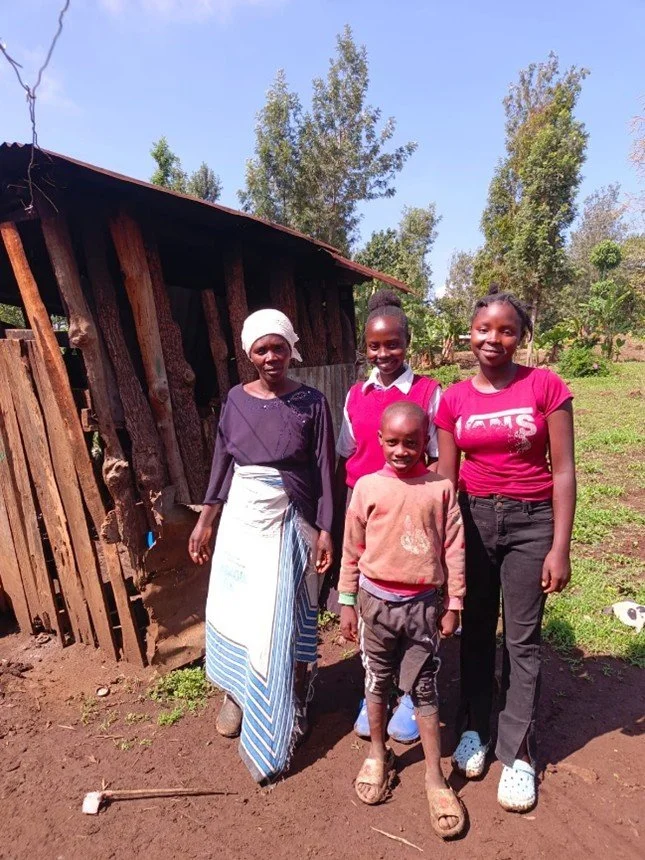
MEA has been approached by residents in two different neighborhoods about families whose children aren’t attending school for lack of fees. In both cases, the families lack two parents and often lack food or a safe environment. MEA offers to help if the neighbors pitch in. In one case, a retired nurse is rallying her neighbors to raise school fees for one of two children missing school for lack of fees--a high school junior. MEA will pay school fees for her older sister, a senior. MEA will work with the mother to create some income-generation for food and to keep the youngest, a 3rd grader, in school.